Published
Reyes del Son Palenquero
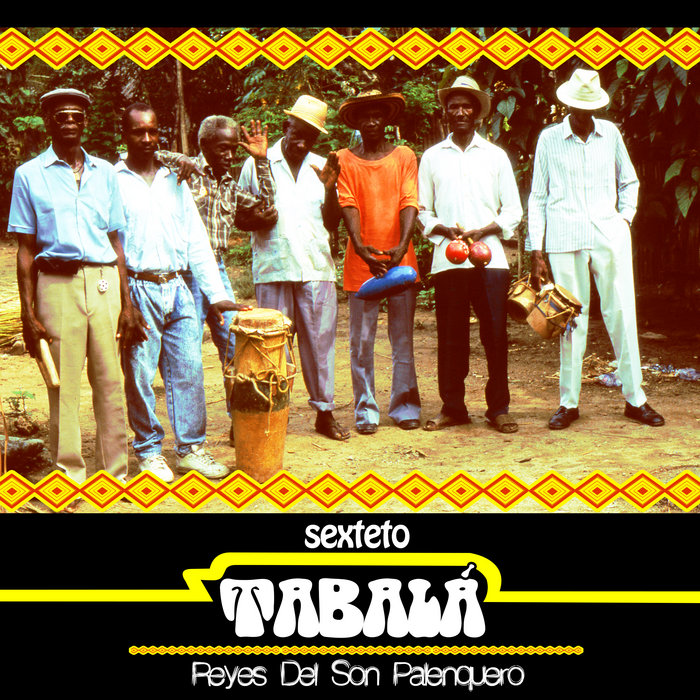
Pantaleon Salgado belonged to the Batata dynasty, the family ruling the Cabildo Lumbalú in Palenque, where the village elders gathered for the Lumbalú ritual (funerary songs for the deceased).
«The adequacy between palenquera music and the world beyond is best expressed in the context of funerary rites.» In this ritual, the old women of the Cabildo beat drums and sing their lamentos during the nine days of mourning which follow the death of palenquero: a soloist introduces the phrase which is repeated throughout the wake, then the others all take it up in chorus in a kind of vocal polyphony which is backed by the beat of two drums, the pechiche and the yamaró (llamador).
The aim of the lumbalú or canto-lloro songs, and baile de muerto dances or bullerengues is for the palenqueros to invoke African divinities from the Congo-Angola pantheon, such as Zambi or Kalunga (supreme god, representing Death), Lemba (goddess of Fertility, Orisha of Creation), thus “helping the deceased to leave this world contentedly and peacefully”.
These songs, which have been handed down by oral tradition throughout centuries of resistance to slavery, bear witness to the origins of most of the community: the region of Luango, in Angola.
Lumbalú is a funerary ritual of Palenquero culture in Colombia involving dance, song, music and performance. It appears to be an African tradition, mainly from Angola, brought to Colombia by enslaved people. The community performs it during the nine nights following a death to honour the soul of the deceased. According to Palenquero tradition, after death the deceased returns home twice a day for the next nine days—at 6:00 a.m. and 5:30 p.m.—and at those times the community gathers in the house to perform the lumbalú.
UNESCO recognises the tradition as Intangible Cultural Heritage of Humanity.