Published
Agrippina condotta a morire or Dunque sarà pur vero, HWV 110
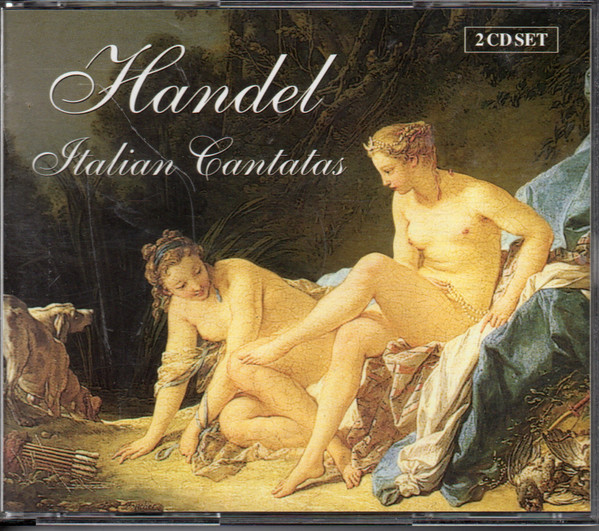
Handel’s cantata Agrippina condotta a morire dates from his brief but intense period in Italy (1707–10), which played an important role in shaping his later compositional style. The work is based on an episode from classical antiquity of the kind frequently found on the musical stage of the period: after poisoning her husband, Emperor Claudius, Agrippina secures the accession of her son Nero, only to be murdered by the newly crowned emperor’s new wife. This gruesome plot allows the composer to deploy the broad Baroque musical rhetoric associated with grief, betrayal and death, expressed through minor keys.