Published
Monochromatic Light (Afterlife)
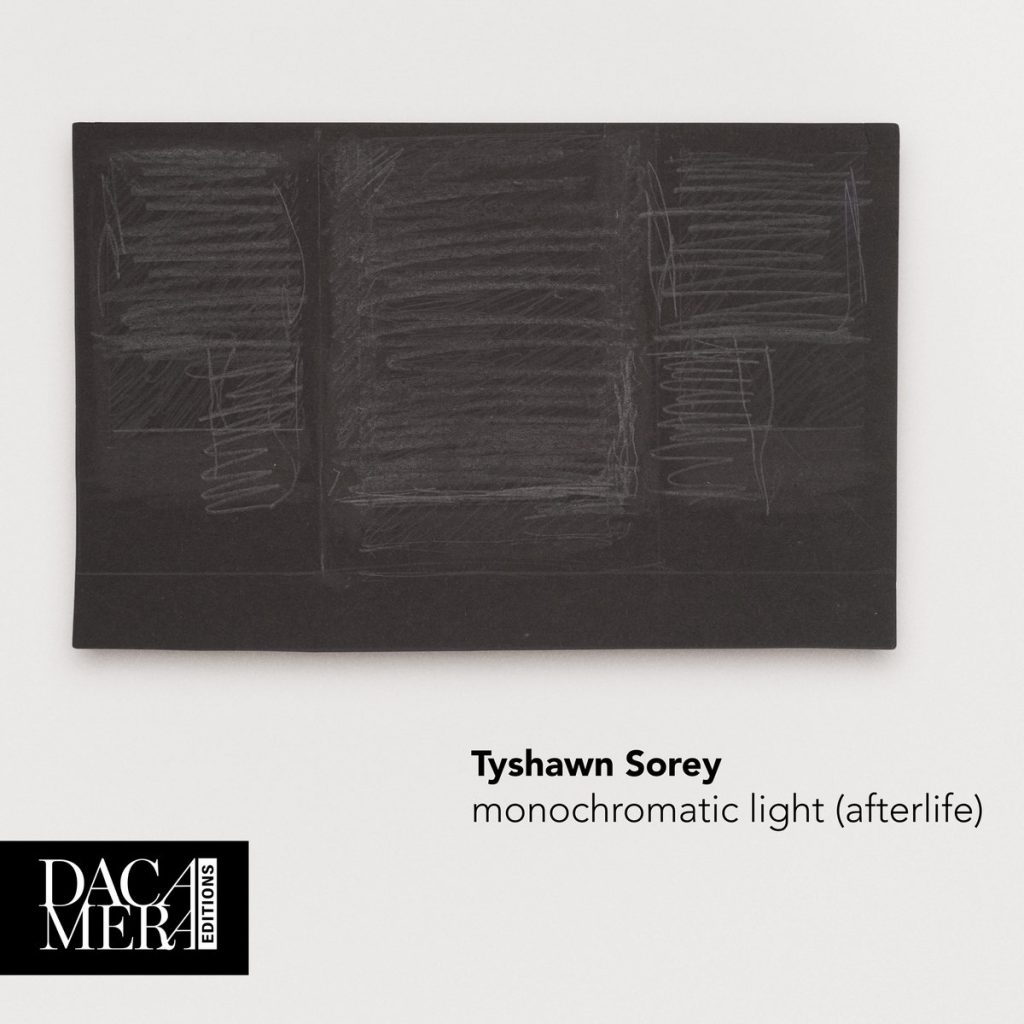
The composer Tyshawn Sorey is not afraid to show his love for his 20th-century predecessor Morton Feldman. But he balances this reverence with his own idiosyncratic ingenuity. That’s been clear in contemplative-then-febrile originals like “The Inner Spectrum of Variables,” or when Sorey has added a tuned percussion part to Feldman’s piano solo “Triadic Memories.”
“Monochromatic Light (Afterlife)” follows in that tradition, premised as it is on an appreciation of Feldman’s meditative, site-specific 1971 score for the Rothko Chapel in Houston. After being co-commissioned by that same location, Sorey obliged with a work that bears a clear stylistic debt to Feldman, but that also serves new compositional ends.
Some key differences from the Feldman’s “Rothko Chapel” involve the length (it now clocks in at three times the Feldman’s typical duration), the addition of piano (which joins Feldman’s celesta), and the choice of a bass-baritone in lieu of alto and soprano vocalists (Davóne Tines, who in the Sorey is tasked with gradually presenting a setting of “Sometimes I Feel Like a Motherless Child”). The cumulative effect of Sorey’s composition is noticeably more dramatic, and the keyboard writing — peaceable yet peculiar — whets the appetite for Sorey’s new Piano Concerto, which premieres soon in Philadelphia.