Published
Misa pro defunctis
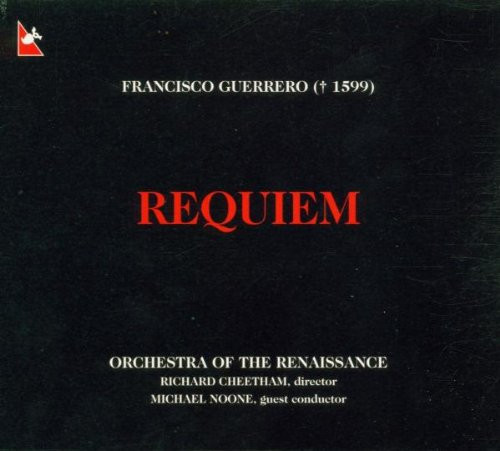
Although the ritual celebration of the passage into death is virtually inherent to the human condition, in Western culture it received a decisive impetus during the Middle Ages with the full adoption of the concept of Purgatory: an intermediate state in which the soul was purified before entering eternal salvation. Catholicism allowed for the possibility of accelerating passage through Purgatory by making financial donations for commemorative liturgical acts. In this way, it granted a certain earthly influence over the divine administration of souls in the afterlife. It is within this context that the proliferation and long history of the Mass for the Dead must be understood. Francisco Guerrero’s sixteenth-century setting, as well as the later Requiems of Wolfgang Amadeus Mozart and Giuseppe Verdi, are indebted to the same phenomenon.
The professional career of Francisco Guerrero (1528–1599) was both representative and unusual. Like many of his contemporaries, he served as chapel master of a cathedral. Unlike most of them, however, he spent almost his entire career employed by a single institution: Seville Cathedral. During the fifty years he served this powerful establishment—Seville was the port through which gold from the Americas entered Spain and one of the richest and most populous cities in the known world—Guerrero cultivated every kind of polyphonic genre intended to solemnise and embellish worship, leaving behind a vast body of almost exclusively sacred music.
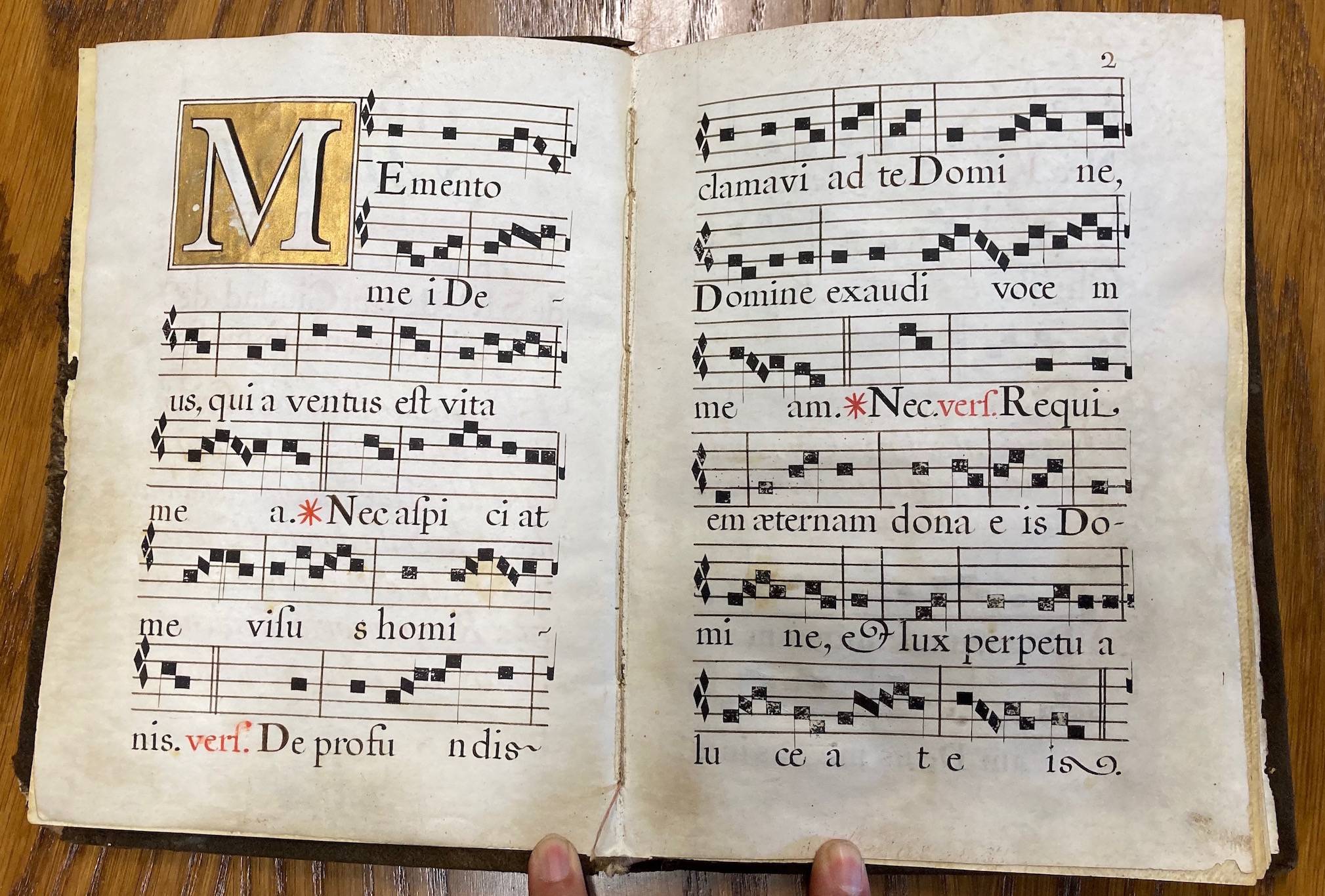
As liturgical requirements dictated, Guerrero’s Missa pro defunctis is constructed from the pre-existing Gregorian chant, with which it alternates from beginning to end. The work is unusual because it survives in two versions, published in 1565 and 1582. The second contains a series of modifications adapting it to the liturgical and musical directives that emerged from the Council of Trent (1545–63), the event that marked the beginning of the Counter-Reformation and, although little known outside specialist circles, is essential to understanding our cultural history. Guerrero’s Requiem therefore bears witness to an important period of change.