Published
Missa pro defunctis
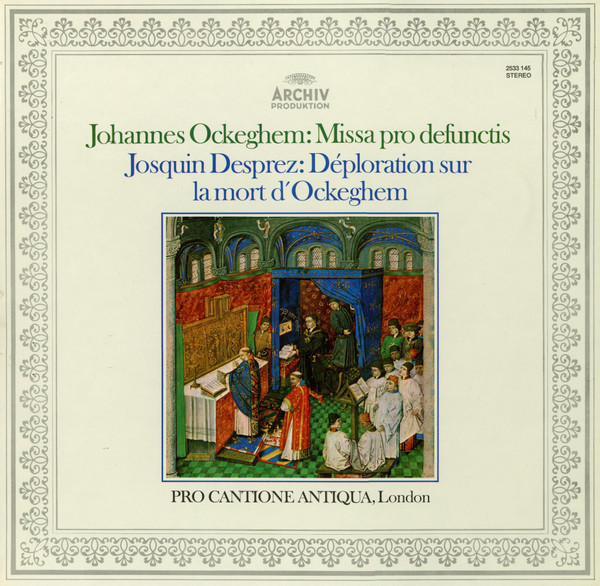
Johannes Ockeghem (c. 1410–1497), a prominent Franco-Flemish composer of the Renaissance, holds a distinguished place in the history of Western classical music. Active during the same period as Guillaume Dufay and Josquin des Prez, Ockeghem’s compositions are celebrated for their intricate polyphony, contrapuntal mastery, and contributions to the development of the musical Requiem.
Ockeghem’s “Requiem,” composed in the late 15th century, is a monumental work that reflects the solemnity and contemplative nature of the Requiem Mass. Known for its sublime polyphonic textures and seamless integration of chant, Ockeghem’s composition sets the tone for the rich tradition of Requiem settings that followed. The work is characterized by its expressive depth, intricate part writing, and meticulous attention to the liturgical text, creating a solemn and meditative atmosphere.
In comparison to his contemporaries in the Renaissance polyphonic tradition, such as Guillaume Dufay or Antoine Busnois, Ockeghem’s “Requiem” stands out for its intricate contrapuntal techniques and reverence for the liturgical context. The composition remains a testament to Ockeghem’s legacy in shaping the polyphonic tradition of the Renaissance, exemplifying his ability to craft deeply spiritual and musically sophisticated works. Ockeghem’s “Requiem” endures as a cornerstone of Renaissance choral repertoire, embodying the timeless beauty and profound spirituality characteristic of his contributions to sacred music.