Published
Le tombeau de Couperin
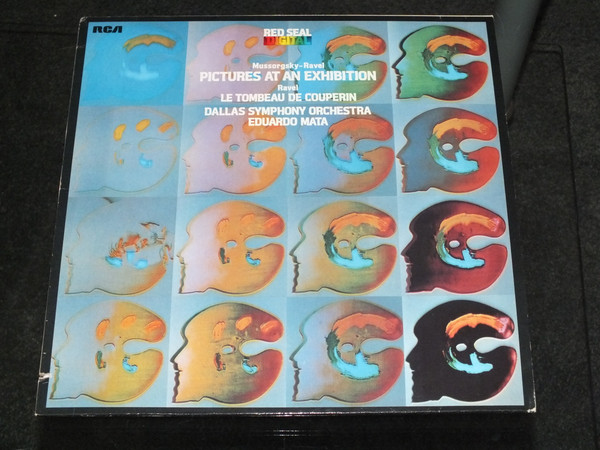
Le tombeau de Couperin, composed by Maurice Ravel between 1914 and 1917, is a perfect embodiment of the spirit of artistic tribute that permeates the genre. The reference to Couperin—then regarded, alongside Rameau, as the most important keyboard composer of the French Baroque—is itself a declaration of intent. Ravel adds classically inflected movements such as the “Rigaudon” and “Menuet,” writing that imitates the sonority of the harpsichord, and six dedications—one for each movement—to friends of the composer who died during the First World War.
Le Tombeau de Couperin is a six-part suite for piano composed by Maurice Ravel between 1914 and 1917.
The word tombeau in the title refers to a form of musical tribute used in the eighteenth century. In this way, the composer paid homage to François Couperin and to the French Baroque tradition as a whole. Conceived from 1914 onwards, the work was composed almost entirely in 1917, after illness had removed Ravel from the front during the First World War. Each piece is dedicated to one of the composer’s friends who died in the war. The work’s serene character contrasts with the turbulent period in which it was written.
The suite consists of:
Prélude (E minor), in memory of Lieutenant Jacques Charlot, who transcribed Ma Mère l’Oye for solo piano.
Fugue (E minor), in memory of Jean Cruppi, son of the woman to whom Ravel dedicated L’Heure espagnole.
Forlane (E minor), in memory of Lieutenant Gabriel Deluc, a Basque painter from Saint-Jean-de-Luz.
Rigaudon (C major), in memory of Pierre and Pascal Gaudin.
Menuet (G major), in memory of Jean Dreyfus.
Toccata (E major), in memory of Captain Joseph de Marliave, musicologist and husband of Marguerite Long.