Published
Pavane pour une infante défunte
Tombeau. In memoriam
The tombeau (“tomb” in French) is a composition written in memory of someone, usually a composer, whose origins lie in Baroque France. It is therefore an elegiac work that mourns a person’s death while paying tribute to them. The genre’s close connection with French musical culture helps explain its revival at the beginning of the twentieth century, when a group of French composers looked to the past for a distinctive musical identity in response to the prevailing Austro-German hegemony.
One of the most direct ways to honour an admired dead composer was to include a musical quotation from their work, as Manuel de Falla did in his Homenaje. Originally written for guitar and later adapted for piano, it formed part of the collective work Pour le tombeau de Debussy (1920). Falla introduces a theme conceived by Debussy for La soirée dans Grenade, with its unmistakable Andalusian resonances. In 1935, Falla composed another work in a similar spirit, Pour le tombeau de Paul Dukas, in memory of one of the French composers most influential upon the generation of Spaniards living in Paris. Among them was the young Joaquín Rodrigo, who also dedicated a sonata to Dukas that same year, commissioned by La Revue musicale.
Many works have been conceived as tributes or in memoriam pieces for a loved one—contemporary or historical, real or imagined—without explicitly using the title tombeau. In Ravel’s Pavane pour une infante défunte (1899), the composer evokes a gently imagined death in a melancholy tone. In Homenaje a Haydn (1909), Debussy begins from a theme based on the notes encoded in the Viennese composer’s name, marking the centenary of Haydn’s death.
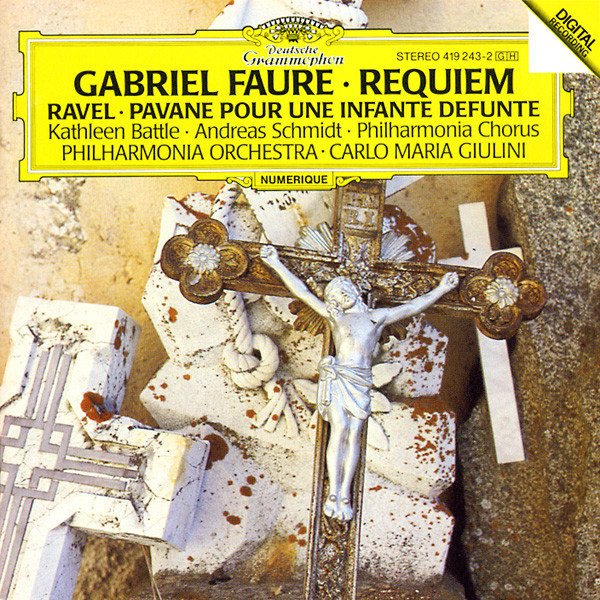
Pavane pour une infante défunte (Pavane for a Dead Princess) is a work for solo piano by Maurice Ravel, written in 1899 while the French composer was studying at the Conservatoire de Paris under Gabriel Fauré.
After a performance by Charles Oulmont, Ravel mentioned to him that the piece was called “Pavane for a dead princess”, not “dead pavane for a princess”.When asked by the composer-conductor Manoah Leide-Tedesco how he arrived at the title Pavane pour une infante défunte, Ravel smiled coyly and replied, “Do not be surprised, that title has nothing to do with the composition. I simply liked the sound of those words and I put them there, c’est tout”.