Published
Stabat Mater
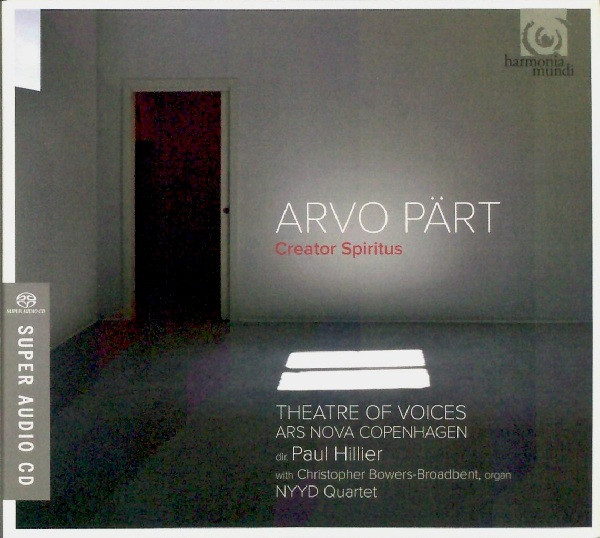
Derived from a text in a liturgical sequence, where the grieving Mother of God is crying next to her crucified son’s cross, the composer has described the piece as follows: “It is just like the contact of opposing elements, for instance lava erupting from a volcano, flowing into the water. It seems impossible that such different elements would ever meet; however, in this piece this is exactly what happens. The text presents us the simultaneous existence of immeasurable pain of this event and potential consolation.”
Stabat Mater is composed in Pärt’s characteristic tintinnabuli style
“Tintinnabulation is an area I sometimes wander into when I am searching for answers – in my life, my music, my work. In my dark hours, I have the certain feeling that everything outside this one thing has no meaning. The complex and many-faceted only confuses me, and I must search for unity. What is it, this one thing, and how do I find my way to it? Traces of this perfect thing appear in many guises – and everything that is unimportant falls away. Tintinnabulation is like this. . . . The three notes of a triad are like bells. And that is why I call it tintinnabulation.